
PMISE KNOWLEDGE BASE
Technology explainers, buying guides and clinic protocols from the Pmise factory team — 64 in-depth articles across 9 topics.
 IPL & Light
IPL for Broken Capillaries: Treatment Parameters and Machine Requirements
Yes, IPL effectively treats broken capillaries and facial spider veins when the device delivers wavelengths filtered to 540–590 nm , uses multiple short…
Read guide ›
IPL & Light
IPL for Broken Capillaries: Treatment Parameters and Machine Requirements
Yes, IPL effectively treats broken capillaries and facial spider veins when the device delivers wavelengths filtered to 540–590 nm , uses multiple short…
Read guide ›
 Facial Care
Hydrodermabrasion Machines: The Generic (Non-Trademarked) Alternative to HydraFacial
A hydrodermabrasion machine—also called a hydra facial machine, aqua peel machine, or simply a generic alternative to the trademarked HydraFacial—delivers…
Read guide ›
Facial Care
Hydrodermabrasion Machines: The Generic (Non-Trademarked) Alternative to HydraFacial
A hydrodermabrasion machine—also called a hydra facial machine, aqua peel machine, or simply a generic alternative to the trademarked HydraFacial—delivers…
Read guide ›
 Tattoo & Pigment
Tattoo Removal Guns vs Professional Laser Machines: What Clinics Should Know
A tattoo removal gun isn't a laser. It's a cheap, battery-powered needle or micro-pigmentation device—often sold as a "pen"—that cannot remove ink. For…
Read guide ›
Tattoo & Pigment
Tattoo Removal Guns vs Professional Laser Machines: What Clinics Should Know
A tattoo removal gun isn't a laser. It's a cheap, battery-powered needle or micro-pigmentation device—often sold as a "pen"—that cannot remove ink. For…
Read guide ›
 Hair Removal
How Much Does a Professional Laser Hair Removal Machine Cost? (2026 Buyer Guide)
A professional laser hair removal machine costs anywhere from $5,000 for a basic IPL/OPT system to over $80,000 for a high‑power diode laser with a large…
Read guide ›
Hair Removal
Professional Laser Hair Removal Machines for Clinics: How to Choose
Buying a professional laser hair removal machine is a decision built on physics, not marketing. The core question isn’t who has the flashiest…
Read guide ›
Facial Care
How Much Does a HydraFacial Machine Cost? Price Breakdown for Clinics
A genuine HydraFacial-brand machine typically costs $20,000 to $30,000 , but that’s just the entry fee. You can pick up a professional-grade alternative—a…
Read guide ›
Facial Care
Professional HydraFacial Machines for Sale: Spec Comparison
You’re not just buying a label. A professional hydrafacial machine for sale is a marriage of pump power, handpiece engineering, and consumable costs. The…
Read guide ›
Hair Removal
How Much Does a Professional Laser Hair Removal Machine Cost? (2026 Buyer Guide)
A professional laser hair removal machine costs anywhere from $5,000 for a basic IPL/OPT system to over $80,000 for a high‑power diode laser with a large…
Read guide ›
Hair Removal
Professional Laser Hair Removal Machines for Clinics: How to Choose
Buying a professional laser hair removal machine is a decision built on physics, not marketing. The core question isn’t who has the flashiest…
Read guide ›
Facial Care
How Much Does a HydraFacial Machine Cost? Price Breakdown for Clinics
A genuine HydraFacial-brand machine typically costs $20,000 to $30,000 , but that’s just the entry fee. You can pick up a professional-grade alternative—a…
Read guide ›
Facial Care
Professional HydraFacial Machines for Sale: Spec Comparison
You’re not just buying a label. A professional hydrafacial machine for sale is a marriage of pump power, handpiece engineering, and consumable costs. The…
Read guide ›
 Facial Care
Oxygen Facial & Bubble Cleansing Machines: What Estheticians Should Know
If you’re choosing between an oxygen facial machine, a bubble cleansing device, and a waterlight injector for your clinic, you’re comparing three…
Read guide ›
Facial Care
Oxygen Facial & Bubble Cleansing Machines: What Estheticians Should Know
If you’re choosing between an oxygen facial machine, a bubble cleansing device, and a waterlight injector for your clinic, you’re comparing three…
Read guide ›
 Body Contouring
Ultrasonic Cavitation Machines: How They Work and What to Buy
A cavitation machine uses low-frequency ultrasound — typically 40kHz — to create and implode microscopic bubbles inside fat tissue. The shockwaves disrupt…
Read guide ›
Body Contouring
Ultrasonic Cavitation Machines: How They Work and What to Buy
A cavitation machine uses low-frequency ultrasound — typically 40kHz — to create and implode microscopic bubbles inside fat tissue. The shockwaves disrupt…
Read guide ›
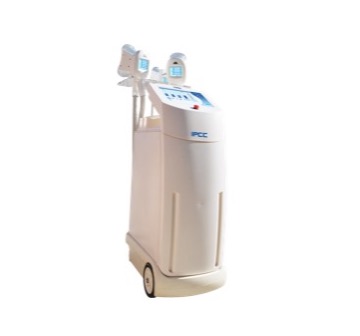 Body Contouring
 Machines: Technology Types and ROI for Clinics
The right body contouring machine turns a treatment room into a profit centre. But only if you understand the difference between cavitation,…
Read guide ›
Body Contouring
Body Contouring Machines: Technology Types and ROI for Clinics
The right body contouring machine turns a treatment room into a profit centre. But only if you understand the difference between cavitation,…
Read guide ›
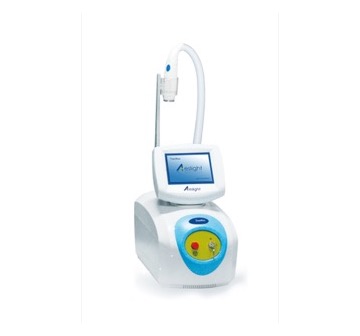 Skin Tightening
RF Skin Tightening Machines: Monopolar vs Bipolar vs Multipolar
For most clinics, a multipolar rf skin tightening machine is the workhorse that balances safety, depth, and treatment speed. Monopolar gives you the…
Read guide ›
Tattoo & Pigment
Laser Tattoo Removal Machines: Q-Switched vs Picosecond
If you're buying a tattoo removal machine for your clinic, the practical choice is still a Q-switched ND:YAG laser—it's reliable, handles most ink colors,…
Read guide ›
Skin Resurfacing
Fractional CO2 Laser Machines for Skin Resurfacing: Buyer Guide
A fractional CO2 laser machine remains the most effective tool for deep skin resurfacing—delivering dramatic wrinkle reduction, scar remodeling, and…
Read guide ›
Laser Science
Skin Cooling in Laser Treatments: Contact, Cryogen & Air Compared
Epidermal cooling isn't optional in laser treatments — it's what lets you deliver higher fluence safely while protecting the skin surface. Contact cooling…
Read guide ›
Laser Science
Laser Safety in Clinics: Eyewear, Training & Room Standards
A safe laser clinic starts with three non-negotiable elements: wavelength-specific eyewear for all persons in the room, a clearly posted controlled-access…
Read guide ›
Laser Science
Fitzpatrick Skin Types: Choosing Safe Laser Parameters
The Fitzpatrick skin type system classifies skin by its melanin content and response to UV exposure—Types I (always burns) through VI (never burns). For…
Read guide ›
Laser Science
How Lasers Work on Skin: Selective Photothermolysis Basics
Selective photothermolysis is the physics behind every laser treatment you run — hair removal, tattoo clearance, pigmentation, resurfacing. It's simple:…
Read guide ›
Skin Tightening
RF Skin Tightening Machines: Monopolar vs Bipolar vs Multipolar
For most clinics, a multipolar rf skin tightening machine is the workhorse that balances safety, depth, and treatment speed. Monopolar gives you the…
Read guide ›
Tattoo & Pigment
Laser Tattoo Removal Machines: Q-Switched vs Picosecond
If you're buying a tattoo removal machine for your clinic, the practical choice is still a Q-switched ND:YAG laser—it's reliable, handles most ink colors,…
Read guide ›
Skin Resurfacing
Fractional CO2 Laser Machines for Skin Resurfacing: Buyer Guide
A fractional CO2 laser machine remains the most effective tool for deep skin resurfacing—delivering dramatic wrinkle reduction, scar remodeling, and…
Read guide ›
Laser Science
Skin Cooling in Laser Treatments: Contact, Cryogen & Air Compared
Epidermal cooling isn't optional in laser treatments — it's what lets you deliver higher fluence safely while protecting the skin surface. Contact cooling…
Read guide ›
Laser Science
Laser Safety in Clinics: Eyewear, Training & Room Standards
A safe laser clinic starts with three non-negotiable elements: wavelength-specific eyewear for all persons in the room, a clearly posted controlled-access…
Read guide ›
Laser Science
Fitzpatrick Skin Types: Choosing Safe Laser Parameters
The Fitzpatrick skin type system classifies skin by its melanin content and response to UV exposure—Types I (always burns) through VI (never burns). For…
Read guide ›
Laser Science
How Lasers Work on Skin: Selective Photothermolysis Basics
Selective photothermolysis is the physics behind every laser treatment you run — hair removal, tattoo clearance, pigmentation, resurfacing. It's simple:…
Read guide ›
 Buying Guides
Beauty Machine Warranty & After-Sales: Questions to Ask
Before you sign the purchase order, ask the hard questions about your beauty machine warranty. The standard one-year parts-and-labor is just the starting…
Read guide ›
Buying Guides
Used vs New Aesthetic Lasers: Total Cost of Ownership
The answer is clear: a used aesthetic laser almost never offers a lower total cost of ownership than a new one when you factor in handle/lamp remaining…
Read guide ›
Buying Guides
Beauty Machine Warranty & After-Sales: Questions to Ask
Before you sign the purchase order, ask the hard questions about your beauty machine warranty. The standard one-year parts-and-labor is just the starting…
Read guide ›
Buying Guides
Used vs New Aesthetic Lasers: Total Cost of Ownership
The answer is clear: a used aesthetic laser almost never offers a lower total cost of ownership than a new one when you factor in handle/lamp remaining…
Read guide ›
 Buying Guides
How to Become an Aesthetic Laser Distributor: 2026 Guide
If you want to become an aesthetic laser distributor in 2026, focus less on the brand name and more on three things: the manufacturer's regulatory track…
Read guide ›
Buying Guides
Importing Beauty Machines: Duties, Shipping & Documentation
Importing beauty machines comes down to three things: getting the Incoterms right, assembling a clean documents pack , and knowing your customs…
Read guide ›
Buying Guides
ISO 13485 Explained: Why It Matters for Device Buyers
ISO 13485 is the quality management system standard for medical device manufacturers. For clinic owners and distributors buying laser or aesthetic…
Read guide ›
Buying Guides
Medical CE vs Standard CE for Aesthetic Lasers Explained
Medical CE marking (under the Medical Device Regulation, MDR) is the only CE route accepted for aesthetic lasers used in clinics across the EU – the old…
Read guide ›
Buying Guides
How to Become an Aesthetic Laser Distributor: 2026 Guide
If you want to become an aesthetic laser distributor in 2026, focus less on the brand name and more on three things: the manufacturer's regulatory track…
Read guide ›
Buying Guides
Importing Beauty Machines: Duties, Shipping & Documentation
Importing beauty machines comes down to three things: getting the Incoterms right, assembling a clean documents pack , and knowing your customs…
Read guide ›
Buying Guides
ISO 13485 Explained: Why It Matters for Device Buyers
ISO 13485 is the quality management system standard for medical device manufacturers. For clinic owners and distributors buying laser or aesthetic…
Read guide ›
Buying Guides
Medical CE vs Standard CE for Aesthetic Lasers Explained
Medical CE marking (under the Medical Device Regulation, MDR) is the only CE route accepted for aesthetic lasers used in clinics across the EU – the old…
Read guide ›
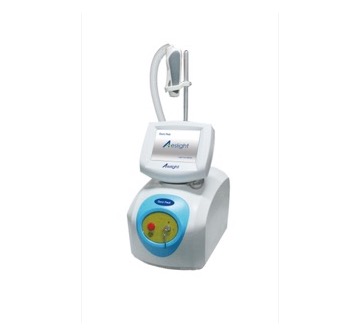 Buying Guides
CE Marking for Beauty Machines: What Importers Must Check
CE marking is the single most important regulatory checkpoint for importing aesthetic devices into the European market. Without a valid CE mark backed by…
Read guide ›
Buying Guides
Beauty Machine Manufacturer in China: How to Vet Suppliers
The simplest way to vet a Chinese beauty machine manufacturer is to confirm three things before you wire a penny: factory ownership, valid third-party…
Read guide ›
Facial Care
Oxygen Facial vs HydraFacial: Differences for Spa Owners
If you're a spa or clinic owner deciding between an oxygen facial and a HydraFacial for your menu, the short answer is this: they solve different…
Read guide ›
Buying Guides
CE Marking for Beauty Machines: What Importers Must Check
CE marking is the single most important regulatory checkpoint for importing aesthetic devices into the European market. Without a valid CE mark backed by…
Read guide ›
Buying Guides
Beauty Machine Manufacturer in China: How to Vet Suppliers
The simplest way to vet a Chinese beauty machine manufacturer is to confirm three things before you wire a penny: factory ownership, valid third-party…
Read guide ›
Facial Care
Oxygen Facial vs HydraFacial: Differences for Spa Owners
If you're a spa or clinic owner deciding between an oxygen facial and a HydraFacial for your menu, the short answer is this: they solve different…
Read guide ›
 Facial Care
Mesotherapy Gun (Mesogun): Skin Rejuvenation Injections 101
A mesotherapy gun (mesogun) delivers a controlled, automated stream of micro-injections into the dermis for skin rejuvenation, mesotherapy, and scar…
Read guide ›
Facial Care
Hyperbaric Oxygen Facial: How It Works & Client Results
A hyperbaric oxygen facial delivers pure, pressurized oxygen (typically 2-5 bar) directly into the skin's surface, often combined with a customized serum…
Read guide ›
Facial Care
Water Oxygen Jet Facial Machine: Uses & Benefits for Spas
A water oxygen jet facial machine uses a supersonic spray of oxygen and purified water to exfoliate, hydrate, and refresh the skin without heat or laser…
Read guide ›
IPL & Light
E-Light (IPL+RF) Technology: How Combined Energy Works
E-Light (IPL+RF) combines intense pulsed light and bipolar radiofrequency in a single pulse. The IPL preheats the target tissue optically, then the RF…
Read guide ›
IPL & Light
IPL vs Laser for Skin Rejuvenation: A Clinic's Comparison
For most clinics, the short answer is: use IPL for diffuse redness, surface pigment, and overall "glow" — it's a high-volume, lower-per-session-cost…
Read guide ›
IPL & Light
OPT vs Traditional IPL: Why Square-Wave Pulses Matter
When comparing OPT vs IPL, the core difference comes down to pulse shape. Traditional IPL delivers a spiked energy burst that decays over time, while OPT…
Read guide ›
IPL & Light
IPL Machine for Clinics: Treatments, Filters & Buying Tips
An IPL machine for clinics is a broadband light device that uses interchangeable cutoff filters to target specific skin concerns — hair reduction,…
Read guide ›
Body Contouring
Cryolipolysis Safety: Avoiding PAH & Choosing Applicators
Cryolipolysis is safe when you understand the real risk: paradoxical adipose hyperplasia (PAH). It's rare — reported in roughly 0.5–1% of cases per FDA…
Read guide ›
Body Contouring
Body Contouring Business ROI: Pricing & Profit Per Session
The profitability of a body contouring business is determined by the unit economics of each session, not by machine price alone. A clinic owner must model…
Read guide ›
Facial Care
Mesotherapy Gun (Mesogun): Skin Rejuvenation Injections 101
A mesotherapy gun (mesogun) delivers a controlled, automated stream of micro-injections into the dermis for skin rejuvenation, mesotherapy, and scar…
Read guide ›
Facial Care
Hyperbaric Oxygen Facial: How It Works & Client Results
A hyperbaric oxygen facial delivers pure, pressurized oxygen (typically 2-5 bar) directly into the skin's surface, often combined with a customized serum…
Read guide ›
Facial Care
Water Oxygen Jet Facial Machine: Uses & Benefits for Spas
A water oxygen jet facial machine uses a supersonic spray of oxygen and purified water to exfoliate, hydrate, and refresh the skin without heat or laser…
Read guide ›
IPL & Light
E-Light (IPL+RF) Technology: How Combined Energy Works
E-Light (IPL+RF) combines intense pulsed light and bipolar radiofrequency in a single pulse. The IPL preheats the target tissue optically, then the RF…
Read guide ›
IPL & Light
IPL vs Laser for Skin Rejuvenation: A Clinic's Comparison
For most clinics, the short answer is: use IPL for diffuse redness, surface pigment, and overall "glow" — it's a high-volume, lower-per-session-cost…
Read guide ›
IPL & Light
OPT vs Traditional IPL: Why Square-Wave Pulses Matter
When comparing OPT vs IPL, the core difference comes down to pulse shape. Traditional IPL delivers a spiked energy burst that decays over time, while OPT…
Read guide ›
IPL & Light
IPL Machine for Clinics: Treatments, Filters & Buying Tips
An IPL machine for clinics is a broadband light device that uses interchangeable cutoff filters to target specific skin concerns — hair reduction,…
Read guide ›
Body Contouring
Cryolipolysis Safety: Avoiding PAH & Choosing Applicators
Cryolipolysis is safe when you understand the real risk: paradoxical adipose hyperplasia (PAH). It's rare — reported in roughly 0.5–1% of cases per FDA…
Read guide ›
Body Contouring
Body Contouring Business ROI: Pricing & Profit Per Session
The profitability of a body contouring business is determined by the unit economics of each session, not by machine price alone. A clinic owner must model…
Read guide ›
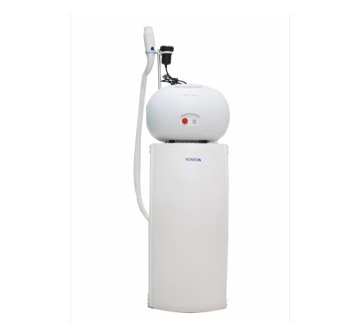 Body Contouring
Slimming Machine for Sale: 5 Checks Before You Buy
A "slimming machine for sale" is only as good as its power stability, applicator design, certification paperwork, warranty terms, and the training your…
Read guide ›
Body Contouring
Cavitation vs Cryolipolysis: Which Body Contouring to Offer?
If you’re deciding between cavitation and cryolipolysis for your clinic, the short answer is: offer both. They target fat through completely different…
Read guide ›
Body Contouring
Cryolipolysis Machine Guide: Fat Freezing Tech for Clinics
A cryolipolysis machine kills fat cells by controlled cooling — no needles, no downtime. The technology, called cold-induced apoptosis, selectively…
Read guide ›
Body Contouring
Ultrasonic Cavitation Machine: How 40kHz Fat Reduction Works
An ultrasonic cavitation machine uses 40kHz sound waves to create pressure changes inside fat cells, causing them to rupture and release their contents.…
Read guide ›
Skin Tightening
Skin Laxity Treatments Compared: HIFU, RF & Laser Options
When comparing skin tightening treatments , HIFU gives the best single-session lift by targeting the SMAS layer, while RF is your go-to for gradual…
Read guide ›
Skin Tightening
HIFU Treatment Results: What Clinics Should Promise Clients
If a client asks you "How soon will I see HIFU results?", your honest answer should be: some tightening immediately, but the real lift shows up over 8 to…
Read guide ›
Skin Tightening
RF Skin Tightening: How Radiofrequency Rebuilds Collagen
RF skin tightening works by delivering controlled radiofrequency energy into the dermis, heating tissue to 40–45°C. This heat denatures existing collagen…
Read guide ›
Skin Tightening
HIFU vs Thermage (RF): Which Skin Tightening Tech Wins?
If you're choosing between HIFU and Thermage (monopolar RF) for your clinic, the short answer is: HIFU targets deeper SMAS-layer tissue with a single-dose…
Read guide ›
Skin Tightening
HIFU Machine Buying Guide: Cartridges, Depths & Price Factors
A HIFU machine is only as good as its cartridges. You're buying thermal coagulation at specific depths — 1.5mm, 3.0mm, and 4.5mm — and each cartridge has…
Read guide ›
Skin Resurfacing
Laser Skin Resurfacing Aftercare: Clinic Protocol Checklist
Laser resurfacing aftercare isn't complicated, but it's unforgiving of shortcuts. Your clinic's protocol — the one you hand to every patient — is the…
Read guide ›
Skin Resurfacing
RF-Excited vs Glass Tube CO2 Laser: Lifespan & Beam Quality
For clinic owners choosing a CO₂ laser, the tube technology directly determines your operating cost and treatment consistency. RF-excited CO₂ lasers…
Read guide ›
Skin Resurfacing
Vaginal Tightening Laser: How Fractional CO2 Treatment Works
Fractional CO₂ laser vaginal tightening works by delivering controlled microthermal injury zones to the vaginal mucosa, triggering neocollagenesis and…
Read guide ›
Skin Resurfacing
CO2 Laser for Acne Scars: Protocols, Settings & Results
Fractional CO2 laser treatment is the most effective clinical approach for atrophic acne scars—icepick, boxcar, and rolling types—because its 10,600nm…
Read guide ›
Body Contouring
Slimming Machine for Sale: 5 Checks Before You Buy
A "slimming machine for sale" is only as good as its power stability, applicator design, certification paperwork, warranty terms, and the training your…
Read guide ›
Body Contouring
Cavitation vs Cryolipolysis: Which Body Contouring to Offer?
If you’re deciding between cavitation and cryolipolysis for your clinic, the short answer is: offer both. They target fat through completely different…
Read guide ›
Body Contouring
Cryolipolysis Machine Guide: Fat Freezing Tech for Clinics
A cryolipolysis machine kills fat cells by controlled cooling — no needles, no downtime. The technology, called cold-induced apoptosis, selectively…
Read guide ›
Body Contouring
Ultrasonic Cavitation Machine: How 40kHz Fat Reduction Works
An ultrasonic cavitation machine uses 40kHz sound waves to create pressure changes inside fat cells, causing them to rupture and release their contents.…
Read guide ›
Skin Tightening
Skin Laxity Treatments Compared: HIFU, RF & Laser Options
When comparing skin tightening treatments , HIFU gives the best single-session lift by targeting the SMAS layer, while RF is your go-to for gradual…
Read guide ›
Skin Tightening
HIFU Treatment Results: What Clinics Should Promise Clients
If a client asks you "How soon will I see HIFU results?", your honest answer should be: some tightening immediately, but the real lift shows up over 8 to…
Read guide ›
Skin Tightening
RF Skin Tightening: How Radiofrequency Rebuilds Collagen
RF skin tightening works by delivering controlled radiofrequency energy into the dermis, heating tissue to 40–45°C. This heat denatures existing collagen…
Read guide ›
Skin Tightening
HIFU vs Thermage (RF): Which Skin Tightening Tech Wins?
If you're choosing between HIFU and Thermage (monopolar RF) for your clinic, the short answer is: HIFU targets deeper SMAS-layer tissue with a single-dose…
Read guide ›
Skin Tightening
HIFU Machine Buying Guide: Cartridges, Depths & Price Factors
A HIFU machine is only as good as its cartridges. You're buying thermal coagulation at specific depths — 1.5mm, 3.0mm, and 4.5mm — and each cartridge has…
Read guide ›
Skin Resurfacing
Laser Skin Resurfacing Aftercare: Clinic Protocol Checklist
Laser resurfacing aftercare isn't complicated, but it's unforgiving of shortcuts. Your clinic's protocol — the one you hand to every patient — is the…
Read guide ›
Skin Resurfacing
RF-Excited vs Glass Tube CO2 Laser: Lifespan & Beam Quality
For clinic owners choosing a CO₂ laser, the tube technology directly determines your operating cost and treatment consistency. RF-excited CO₂ lasers…
Read guide ›
Skin Resurfacing
Vaginal Tightening Laser: How Fractional CO2 Treatment Works
Fractional CO₂ laser vaginal tightening works by delivering controlled microthermal injury zones to the vaginal mucosa, triggering neocollagenesis and…
Read guide ›
Skin Resurfacing
CO2 Laser for Acne Scars: Protocols, Settings & Results
Fractional CO2 laser treatment is the most effective clinical approach for atrophic acne scars—icepick, boxcar, and rolling types—because its 10,600nm…
Read guide ›
 Skin Resurfacing
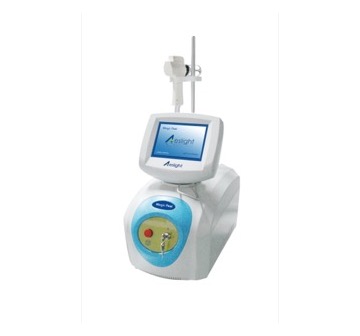
Non-Ablative 1550nm Fractional Laser: When to Choose It
If your clinic treats patients with Fitzpatrick IV-VI skin, or clients who refuse any visible downtime, the 1550nm fractional laser is your safest…
Read guide ›
Skin Resurfacing
Fractional CO2 Laser vs Er:YAG 2940nm: Key Differences
If you're choosing between a CO₂ laser and an Er:YAG 2940nm for your clinic, the short answer is this: CO₂ delivers deeper ablation and stronger…
Read guide ›
Skin Resurfacing
Fractional CO2 Laser: Uses, Benefits & Machine Buying Guide
A fractional CO₂ laser is the gold standard for deep skin resurfacing. It treats acne scars, wrinkles, and photodamage by delivering 10,600nm wavelength…
Read guide ›
Tattoo & Pigment
Carbon Peel Laser Facial: How It Works & Machine Requirements
A carbon peel laser facial uses a layer of carbon lotion applied to the face, which is then targeted by a Q-switched ND:YAG laser at 1064nm. The laser…
Read guide ›
Tattoo & Pigment
Laser Tattoo Removal Business: Startup Costs & ROI in 2026
Starting a tattoo removal business in 2026 means budgeting $18,000–$35,000 for a quality Q-switched ND:YAG laser, plus $2,000–$5,000 for training and…
Read guide ›
Tattoo & Pigment
1064nm vs 532nm Q-Switched Laser: What Each Pigment Needs
Pick the wrong wavelength on a Q-switched ND:YAG and you're not just wasting a session — you're risking hypopigmentation or no clearance at all. Here's…
Read guide ›
Tattoo & Pigment
Q-Switched Laser Machine Cost: What Affects the Price?
A Q-switched laser machine's cost is primarily driven by the quality of its laser rod (typically Nd:YAG), achievable pulse energy (measured in…
Read guide ›
Tattoo & Pigment
Q-Switched ND:YAG Laser: Tattoo Removal Guide for Clinics
A Q-switched ND:YAG laser removes tattoos by delivering ultra-short, high-energy pulses that shatter ink particles into fragments small enough for the…
Read guide ›
Hair Removal
Why Laser Hair Removal Fails: 6 Machine & Parameter Mistakes
If laser hair removal is not working for your clients, it's usually due to one of six correctable mistakes: the wrong wavelength for their hair color, a…
Read guide ›
Hair Removal
Laser Hair Removal for Fitzpatrick Skin Types IV-VI: Settings
For Fitzpatrick skin types IV-VI, the safest and most effective laser hair removal for dark skin requires longer wavelengths (800nm+), lower fluence,…
Read guide ›
Hair Removal
How to Choose a Diode Laser Machine: 7 Specs That Matter
Buying a diode laser machine comes down to seven measurable specs: true output power at the crystal, spot size that affects treatment speed, fluence range…
Read guide ›
Hair Removal
Laser Hair Removal Machine Price Guide for Clinics (2026)
A clinic-grade diode laser hair removal machine in 2026 typically costs between $3,000 and $25,000 USD, with the price driven by laser stack quality, peak…
Read guide ›
Skin Resurfacing
Non-Ablative 1550nm Fractional Laser: When to Choose It
If your clinic treats patients with Fitzpatrick IV-VI skin, or clients who refuse any visible downtime, the 1550nm fractional laser is your safest…
Read guide ›
Skin Resurfacing
Fractional CO2 Laser vs Er:YAG 2940nm: Key Differences
If you're choosing between a CO₂ laser and an Er:YAG 2940nm for your clinic, the short answer is this: CO₂ delivers deeper ablation and stronger…
Read guide ›
Skin Resurfacing
Fractional CO2 Laser: Uses, Benefits & Machine Buying Guide
A fractional CO₂ laser is the gold standard for deep skin resurfacing. It treats acne scars, wrinkles, and photodamage by delivering 10,600nm wavelength…
Read guide ›
Tattoo & Pigment
Carbon Peel Laser Facial: How It Works & Machine Requirements
A carbon peel laser facial uses a layer of carbon lotion applied to the face, which is then targeted by a Q-switched ND:YAG laser at 1064nm. The laser…
Read guide ›
Tattoo & Pigment
Laser Tattoo Removal Business: Startup Costs & ROI in 2026
Starting a tattoo removal business in 2026 means budgeting $18,000–$35,000 for a quality Q-switched ND:YAG laser, plus $2,000–$5,000 for training and…
Read guide ›
Tattoo & Pigment
1064nm vs 532nm Q-Switched Laser: What Each Pigment Needs
Pick the wrong wavelength on a Q-switched ND:YAG and you're not just wasting a session — you're risking hypopigmentation or no clearance at all. Here's…
Read guide ›
Tattoo & Pigment
Q-Switched Laser Machine Cost: What Affects the Price?
A Q-switched laser machine's cost is primarily driven by the quality of its laser rod (typically Nd:YAG), achievable pulse energy (measured in…
Read guide ›
Tattoo & Pigment
Q-Switched ND:YAG Laser: Tattoo Removal Guide for Clinics
A Q-switched ND:YAG laser removes tattoos by delivering ultra-short, high-energy pulses that shatter ink particles into fragments small enough for the…
Read guide ›
Hair Removal
Why Laser Hair Removal Fails: 6 Machine & Parameter Mistakes
If laser hair removal is not working for your clients, it's usually due to one of six correctable mistakes: the wrong wavelength for their hair color, a…
Read guide ›
Hair Removal
Laser Hair Removal for Fitzpatrick Skin Types IV-VI: Settings
For Fitzpatrick skin types IV-VI, the safest and most effective laser hair removal for dark skin requires longer wavelengths (800nm+), lower fluence,…
Read guide ›
Hair Removal
How to Choose a Diode Laser Machine: 7 Specs That Matter
Buying a diode laser machine comes down to seven measurable specs: true output power at the crystal, spot size that affects treatment speed, fluence range…
Read guide ›
Hair Removal
Laser Hair Removal Machine Price Guide for Clinics (2026)
A clinic-grade diode laser hair removal machine in 2026 typically costs between $3,000 and $25,000 USD, with the price driven by laser stack quality, peak…
Read guide ›
 Hair Removal
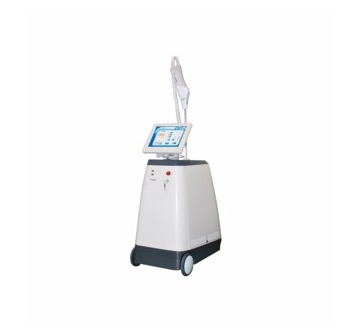
Long Pulse ND:YAG Laser for Dark Skin Hair Removal Explained
For dark skin (Fitzpatrick IV-VI), the long pulse ND:YAG laser at 1064nm is the safest and most effective hair removal wavelength. Its deep penetration…
Read guide ›
Hair Removal
Diode Laser vs IPL Hair Removal: Which Should Clinics Buy?
For permanent hair removal in a clinical setting, a diode laser (typically 808nm or 810nm) delivers significantly better results per session than IPL .…
Read guide ›
Hair Removal
808nm vs 755nm vs 1064nm: Best Wavelength for Hair Removal
For permanent hair reduction, 808nm diode laser is the best all-around wavelength for most clinics. It strikes the optimal balance between melanin…
Read guide ›
Hair Removal
Diode Laser Hair Removal Machine: How It Works & Why 808nm
A diode laser hair removal machine works by emitting a specific 808nm wavelength that targets melanin in the hair follicle, converting light into heat to…
Read guide ›
Hair Removal
Long Pulse ND:YAG Laser for Dark Skin Hair Removal Explained
For dark skin (Fitzpatrick IV-VI), the long pulse ND:YAG laser at 1064nm is the safest and most effective hair removal wavelength. Its deep penetration…
Read guide ›
Hair Removal
Diode Laser vs IPL Hair Removal: Which Should Clinics Buy?
For permanent hair removal in a clinical setting, a diode laser (typically 808nm or 810nm) delivers significantly better results per session than IPL .…
Read guide ›
Hair Removal
808nm vs 755nm vs 1064nm: Best Wavelength for Hair Removal
For permanent hair reduction, 808nm diode laser is the best all-around wavelength for most clinics. It strikes the optimal balance between melanin…
Read guide ›
Hair Removal
Diode Laser Hair Removal Machine: How It Works & Why 808nm
A diode laser hair removal machine works by emitting a specific 808nm wavelength that targets melanin in the hair follicle, converting light into heat to…
Read guide ›
Every Pmise machine is verified through rigorous testing. Tell us your target treatments and market.